If you have five minutes with your boss, you need to be brief. If you have two minutes, you need to be surgical. Most marketing leads get bogged down in the mechanics of algorithms. Forget that. Your boss doesn’t care about the mechanics; they care about the business outcome.
When you walk into that office—or hop on that Zoom call—do not lead with “technical SEO updates.” Lead with the shift in how your customers make buying decisions. Here is your roadmap for explaining AEO (Answer Engine Optimization) in plain English.
The 2-Minute Executive Summary AEO Pitch
Start here. If you only have time to say three sentences, make them these:

"Our customers are no longer searching for links; they are asking AI agents for recommendations. AEO is the shift from writing content for search engines like Google to writing content for AI agents like ChatGPT and Google Gemini. If we aren't the source these agents cite, we don't exist in the new buying journey."
What is AEO? (In Plain English)
AEO stands for Answer Engine Optimization. It is the process of structuring your company’s information so that AI models can easily ingest, understand, and cite it as the "right" answer to a user's question.
Think of it this way: In the old era, we optimized for the "10 blue links." We wanted to rank #1 so people would click our website. In the agent-first era, the user doesn't visit the website. They ask ChatGPT or Gemini a question, the agent processes the data, and it delivers a summarized, conversational answer. If your brand isn't the primary source of that summary, your competitor will be.
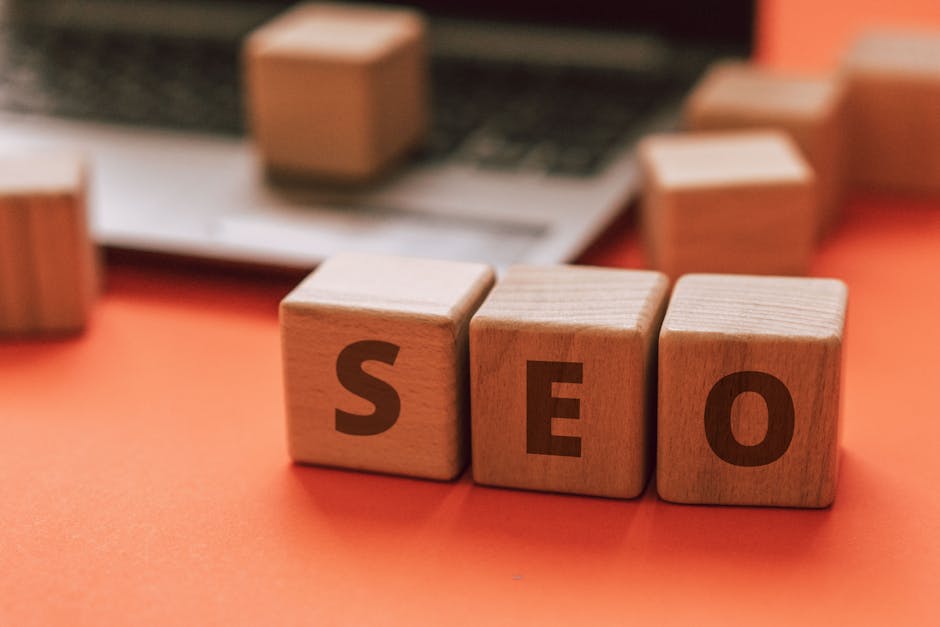
The Agent-First Search Paradigm
We are witnessing a structural change in the internet. Search is moving from discovery to resolution. Users are increasingly turning to AI agents to solve problems rather than browsing through endless pages of search results.
Consider the query: "Best project management software for startups 2025."
- Old SEO: You write a 2,000-word post hoping to hit the first page. The user clicks, browses, and eventually converts. AEO: The user asks ChatGPT, "What is the best project management software for a team of 10 startups?" The agent synthesizes your product's specific features, pricing, and case studies into a 50-word recommendation.
The agent is now the gatekeeper. If your content is vague, bloated with buzzwords, or poorly structured, the agent skips you. If your content is clear, authoritative, and data-backed, the agent highlights you.
SEO vs. AEO: A Quick Comparison
To help your boss visualize the difference, use this table. It cuts through the noise and highlights the strategic pivot required.
Feature SEO (Legacy) AEO (The Future) Primary Goal Drive traffic to website Win the "answer" / Get cited Content Style Keyword-heavy, page length Fact-dense, conversational, structured Core Metric Click-through rate (CTR) Brand authority and AI citation Target Audience Google's ranking crawler Human intent + AI logicWhy AEO Matters: The Revenue Argument
Why should the C-suite care about AEO? Because it is a direct funnel issue. When a user asks an AI agent a question about a product AI SEO services category, that user is in the "consideration" or "decision" phase. They have high intent.
If your brand provides the definitive answer to that query, you are effectively pre-selling the user before they ever reach your landing page. This reduces the burden on your sales team and shortens the sales cycle. Why AEO matters is simple: it is the difference between being a "vendor" and being the "expert recommended by the AI."
Intent-Driven Queries
AI agents excel at understanding intent. They don't just look for keywords; they look for context. They prioritize content that answers questions like:
"How do I fix [problem]?" "What is the difference between [Product A] and [Product B]?" "Is [Company Name] reputable?"If your content doesn't directly address these questions with clear, extractable facts, you are losing. You need to stop writing "fluff" articles and start creating high-value, answer-oriented assets.
The Tools: ChatGPT and Google Gemini
You don't need expensive enterprise software to start testing AEO. Use the tools you have.
- ChatGPT: Use it to audit your current content. Paste your best blog post and ask: "Based on this content, answer the question: 'What is the best solution for X?' Would you cite this article? If not, why?" Google Gemini: Use it to understand current search intent. Ask Gemini to provide a list of top-rated tools in your space and note which sources it cites. Study those sources. They are doing AEO correctly.
The goal isn't just to "use" these tools; it's to reverse-engineer their logic. If the AI doesn't find your content helpful, your customer won't either.
What To Do Next: A 3-Step Action Plan
Don’t leave the meeting without a clear path forward. Present these three steps as your immediate focus:
Audit the "Answer" Pages: Identify your top 10 most valuable sales pages. Use an AI agent to see if they provide a concise, direct answer to the customer's primary problem. If they don't, rewrite the intro to include a "Direct Answer" block. Focus on Entity Data: Ensure your product specifications, pricing, and key features are documented in clear, structured lists or tables on your site. AI agents prefer clean, structured data over long paragraphs. Monitor AI Citations: Start treating "AI Citations" as a new KPI. When we create new content, we are no longer just measuring views; we are measuring whether our brand is becoming the go-to reference for that topic.Stop playing the old game of chasing search rankings. Start playing the game of being the most trusted, cited, and referenced brand in your space. That is how you win in the age of the AI agent.